Column · @zanderpxtb970
Senior Pet Care: Monitoring Your Furry Family with Prairieville Animal Hospital
The aging of a companion animal brings a shift in the daily rhythm of a household. It is not only a matter of longer naps and gentler play but a conversation with your pet’s body about what needs attention now. At Prairieville Animal Hospital, we have learned to read those signals with care, to translate quiet changes into proactive steps, and to support families as they navigate the practical realities of senior pet care. What follows is a road map built from years of clinic floorside observations, a few mistakes learned the hard way, and the steady patience required to keep an older animal comfortable, mentally engaged, and free from preventable pain.
Aging shows up in the mouth, the joints, the digestion, and the way a pet interacts with the world. Not every change points to a crisis, but even small shifts deserve a careful look. The goal is not to chase a miracle cure but to preserve quality of life, lessen discomfort, and extend those golden years with dignity and a sense of stability for the whole family.
One of the most important parts of senior care is establishing a predictable routine that honors a pet’s needs without becoming rigid or isolating them from family life. Consistency matters, but it is equally important to remain flexible as conditions evolve. Senior pets often benefit from a blended approach: ongoing preventive care with a readiness to pivot when new symptoms appear. The hospital team at Prairieville Animal Hospital emphasizes clear communication with caregivers. We want owners to feel confident about what changes they notice, how to measure them, and when to seek professional input.
Aging can complicate existing health issues, but it can also reveal opportunities for comfort that were previously out of reach. Many families find that reframing senior care as a partnership—between veterinarian, pet, and home—creates space for small, meaningful improvements that add up over time. We are mindful that the goal is not perfection but steadiness. A senior pet can maintain a bright personality, enjoy favorite activities, and stay connected with the people who love them, even as the body changes.
Understanding the landscape of senior care requires a practical lens. In the clinic we see cats and dogs with a spectrum of experiences. Some arrive already living with chronic conditions such as arthritis, kidney changes, or early dental disease. Others are straightforward for long stretches, then suddenly need adjustments after an injury or illness. The key is to approach these cases with thorough assessment, honest conversations about what is feasible at home, and a plan that respects the animal’s comfort as the top priority. The goal is not to extend life at all costs but to improve the lived experience during the years that remain.
A practical framework for caregivers begins with baseline measurements and a plan for regular reassessment. Baseline is not a single moment but a starting point that grows with your pet. In the clinic we encourage clients to keep a simple log: daily eating patterns, water intake, activity level, sleep quality, and any changes in bathroom behavior. These details, when collated over weeks, reveal trends that can prompt timely interventions. The value of this practice becomes clear when a caregiver notices a quiet decline that would be easy to miss without a careful record. We have seen cases where minor shifts in appetite were early signs of a dental problem or renal stress, which then allowed us to adjust treatment before symptoms escalated.
Grappling with senior pet care also means acknowledging common constraints. Budget considerations, the logistics of travel to the clinic, and the emotional weight of watching a pet age all factor into decisions. Prairieville Animal Hospital aims to provide clarity around costs and services so families can plan ahead. Preventive care for seniors can involve a mix of wellness exams, tailored dietary plans, mobility support, and occasional diagnostic testing. It is not unusual for a yearly checkup to give way to a semiannual or quarterly rhythm when a pet has chronic needs. The point is not to overwhelm but to create a predictable cadence that makes it easier to catch issues early and to adjust as life evolves.
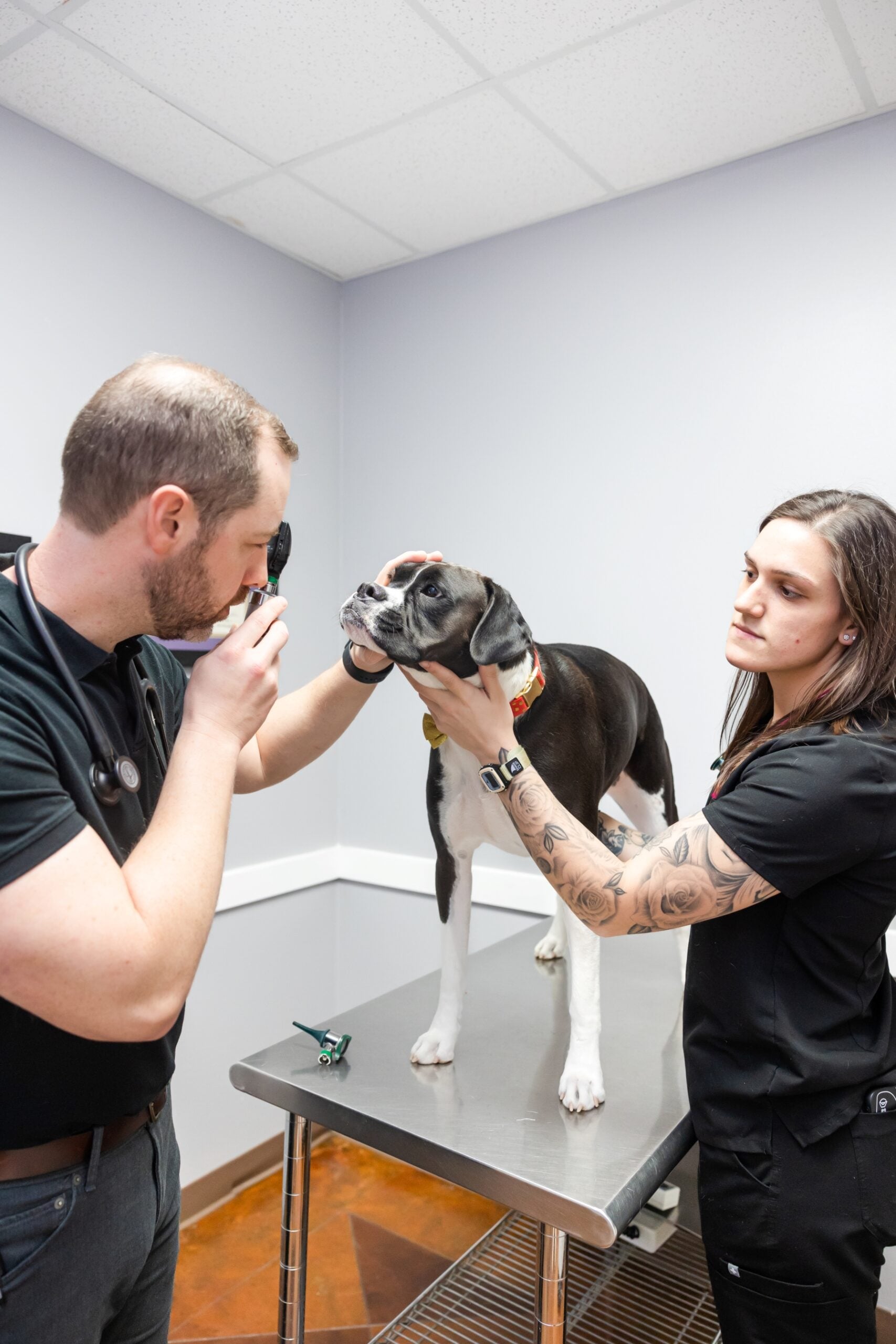
As you read through guidance on senior pet care, you may notice a recurring theme: everyday actions have outsized impact when the vehicle is aging. Small changes in daily routines can reduce stress on joints, support digestion, and maintain mental sharpness. The following sections blend practical advice with the clinical realities we encounter at the hospital. They are drawn from real cases, tempered by the patience of time and the sense that every pair of eyes watching a pet can tell a story.
Healthy aging begins with mobility and comfort Arthritis, hip dysplasia, and spinal discomfort are common in older dogs and cats. Pain management is not simply about masking symptoms; it is about restoring movement and reducing fear. In practice, we encourage families to reassess the home environment for ease of access. Slippery floors prompt accidents, and narrow doorways can create frustration. A few targeted adjustments go a long way: non-slip mats on tile or wood floors, ramps or low steps for beds and vehicles, and soft bedding that supports joints. In a home where stairs cannot be avoided, a gentle routine of stair usage that encourages movement without overexertion helps maintain muscle mass without inflaming joints.
When a pet’s mobility declines, the daily ritual changes in meaningful ways. An older dog may still love short walks, but those walks should be shorter, slower, and more frequent, with the option to pause or return home if stiffness appears. A cat might become a little less inclined to jump, but with careful enrichment and a consistent schedule, you can preserve mental engagement and a sense of purpose. The clinic often sees a quiet transformation when owners shift to a proactive pain management plan rather than waiting for a flare. We emphasize evaluating the balance between comfort and activity, because too little movement can worsen stiffness, while too much can trigger inflammation.
Dietary adjustments are another anchor. Senior pets frequently benefit from diets designed to reduce inflammation, support kidney function, and maintain a healthy weight. It is not about chasing the latest trend but about matching nutrient density to energy levels and medical needs. A practical approach is to review a pet’s current diet, discuss potential formulary switches with the veterinarian, and introduce changes gradually. We often see better results when owners pair diet adjustments with consistent feeding times, which supports digestion and metabolic stability. The conversation around nutrition is never static. What works at one stage may need revision as the pet’s condition shifts.
Managing dental health remains a cornerstone of senior care. Dental disease is a hidden source of discomfort and systemic impact. Regular dental cleanings, including anesthesia as appropriate for the pet’s overall health, can prevent pain, improve appetite, and reduce infection risk. Even animal hospital near me in older pets, dental care should not be neglected. We advise caregivers to look for signs of dental trouble at home: drooling, bad breath, reluctance to eat crunchy foods, and visible tartar buildup. A dental check at least once a year is a prudent baseline, with additional cleanings or targeted treatments as needed.
Integrated care for cognitive health is becoming easier to implement with practical steps. Canine and feline brains are affected by aging in ways that can manifest as disorientation, pacing, or changes in social behavior. Engaging activities that align with the pet’s preferences can slow the progression of cognitive decline and preserve a sense of familiarity. For some pets, cognitive support may involve pharmacologic options, though many gains come from a structured routine, environmental enrichment, predictable daily patterns, and steady human interaction. The hospital team collaborates with families to tailor activities that respect the pet’s temperament and energy level, while offering reassurance that small, steady improvements are meaningful.
Monitoring, testing, and the value of proactive checks Senior pets benefit from a regular schedule of wellness visits that blends preventive care with targeted diagnostics. The aim is to catch evolving problems before they become limiting. Blood work becomes a more regular companion as a pet enters their golden years. Routine panels provide a window into kidney and liver function, glucose status, electrolyte balance, and protein levels. While a single abnormal result prompts questions, a pattern over time tells the true story. We encourage families to view lab work not as a one-off hurdle but as a thread that reveals trends. A small fluctuation in a value like creatinine, monitored across several visits, can guide the decision to adjust a diet, hydrate more effectively, or initiate a treatment plan early.
Imaging is another tool that grows in importance as pets age. Ultrasound and radiographs may be recommended to investigate symptoms that are ambiguous when viewed through a single lens. In some cases, imaging clarifies whether a mobility issue is joint-related or tied to an organ-based condition that requires attention. Our approach is conservative and targeted: we seek to minimize stress and anesthesia exposure while maximizing diagnostic yield. The outcome is often a clearer, more confident path forward for owners who may feel overwhelmed by the sheer number of possibilities.
Medication management deserves careful attention. Older pets often require a careful regimen of medications to manage pain, arthritis, thyroid conditions, and sometimes heart function. Prescription adherence is a critical factor in the effectiveness of treatment. We advocate for clear communication with the veterinary team, including a written medication plan, dosing schedules, and a plan for rechecks. When a new medication is added or a dose adjusted, we typically schedule a follow-up to verify the response and monitor any adverse effects. For some families, this means adjusting pill boxes, aligning doses with feeding times, and creating reminders integrated into daily routines. The practical realities of medication management never vanish, but they can be integrated with minimal disruption.
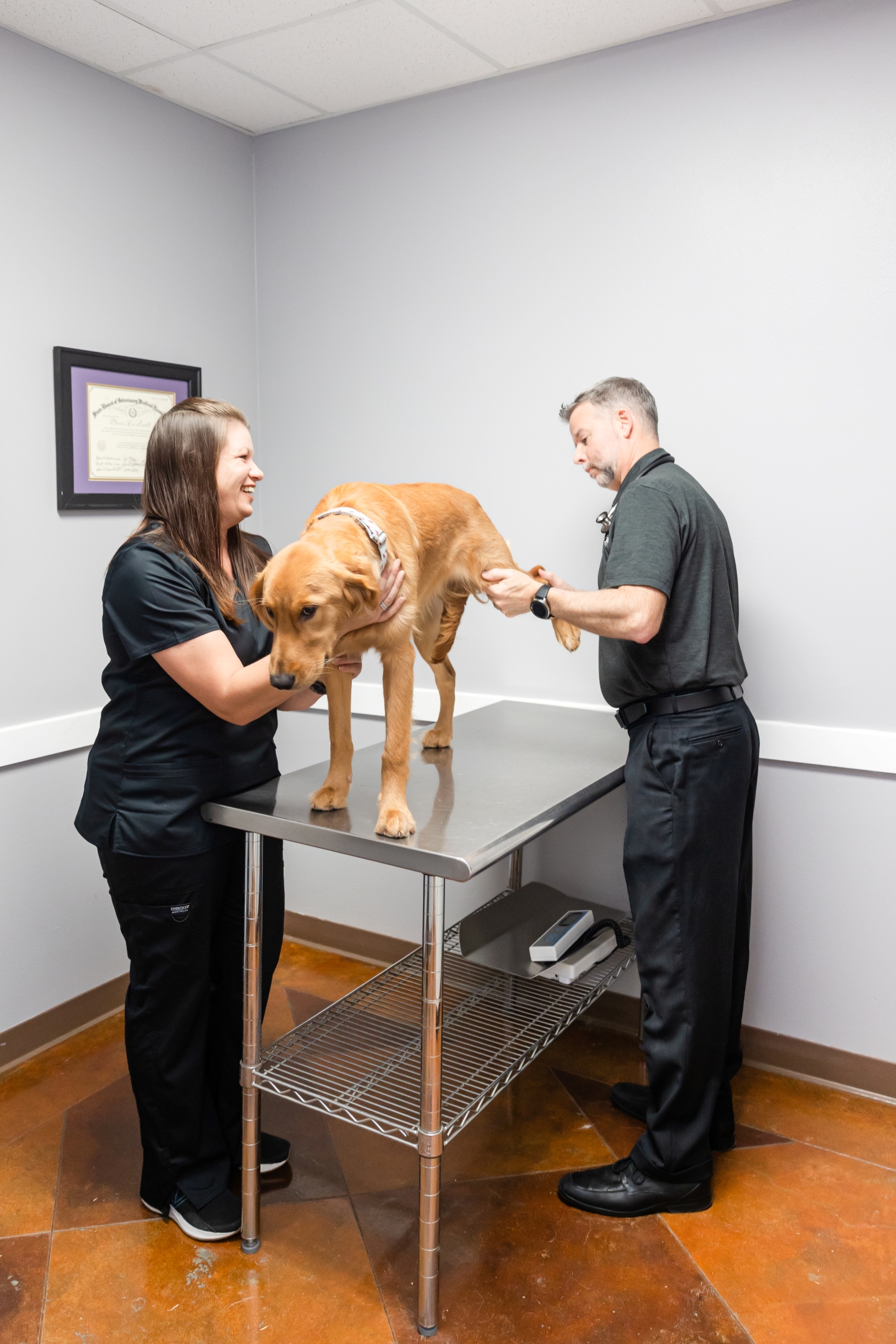
The family and the home become the most important diagnostic tools A senior pet’s behavior at home carries as much weight as anything observed in the clinic. Behavioral clues can point to discomfort, changes in cognition, or new medical concerns. A few steady practices help caregivers stay in tune without becoming anxious. Regular weight checks, consistent feeding schedules, and a quiet, comfortable sleeping space all contribute to a stable baseline. When families report shifts in energy, appetite, or bathroom habits, a quick, structured inquiry helps the veterinary team determine whether a visit is warranted or whether adjustments at home could address the issue.
It is helpful to establish a red flag framework. Some changes require prompt evaluation, while others may be managed at home with adjustments and a follow-up. We emphasize this distinction so families can act quickly when necessary, and remain calm when issues evolve gradually. This is not a performance metric but a practical response plan. Senior care is a dynamic process, not a static checklist. Your home environment, daily schedule, and the pet’s personal history all influence the trajectory of care.
Two practical sections that families often find the most helpful are focused checklists. They distill the day-to-day decisions that come with managing a senior pet and pair them with the clinical insight families rely on at Prairieville Animal Hospital.
What to ask during a senior pet checkup A well-prepared appointment makes the visit efficient and productive. When you bring your senior pet in, you want a clear read on the current state of health and a plan that you can execute at home. The questions below are designed to guide conversations with your veterinarian or the veterinary team, focusing on the pet’s comfort, mobility, and overall function. They are not a substitute for a diagnostic workup, but they help ensure that key areas are covered during the visit.
-
Have there been changes in appetite or drinking patterns? A steady decline in appetite or a rise in thirst can signal kidney issues, dental pain, or endocrine problems. Your notes on timing and texture of meals can illuminate the underlying cause.
-
Is there new stiffness or difficulty getting up, standing, or climbing stairs? Changes in mobility may indicate arthritis progression, pain, or a systemic condition. Bring a few examples from home, like how long it takes to rise after a nap or whether a previously easy walk now ends early.
-
Are there shifts in bathroom habits or litter box or crate usage? Urination and defecation patterns can reveal urinary tract infections, kidney disease, gastrointestinal changes, or pain. If possible, track frequency and any accidents outside the expected routine.
-
Has there been any changes in energy or behavior around familiar people or animals? Cognitive aging, anxiety, or vision and hearing changes can alter how a pet engages with the world. Note any new pacing, confusion, or avoidance of favorite activities.
-
What is the status of dental health and breath odor? Dental disease often hides behind normal eating. A dull appetite for crunchy foods or a sudden preference for softer meals can indicate dental pain that deserves a closer look.
-
How is weight stability, and what is the current body condition score? Subtle weight gain or loss can reflect metabolic shifts, dental pain, or fluid retention. A caregiver’s eye for trend is invaluable, and the clinic can provide a precise measurement if needed.
-
Are dental hygiene routines at home happening consistently, and are there signs of mouth discomfort? Regular brushing, dental treats, and professional cleanings can dramatically reduce pain and infection risk.
-
How is overall comfort while resting, and is there visible unease when touched in the back or hips? Palpation in the clinic may reveal tenderness not obvious to the eye, guiding decisions on pain management.
-
Are there any medication changes or new supplements in the last few weeks? Consistency matters, and some drugs interact or require dosing adjustments as kidneys and liver age.
-
What are the owner’s goals for the pet’s quality of life in the next months? Clarifying expectations helps tailor care, balancing comfort, activity, and cherished routines.
A focused, honest dialogue around these questions helps align veterinary recommendations with the home environment. It is not about chasing every possible problem, but about prioritizing what matters most to the animal’s comfort and the family’s peace of mind.
Two tried and true lists that often prove handy in practice The following lists condense core ideas into actionable items you can apply without needing a medical degree. They are designed to fit into a busy day and provide practical steps that make a tangible difference.
-
What to monitor daily for a senior pet
-
Appetite and water intake should stay within a known range, with any deviations noted.
-
Mobility and bed-to-floor transitions, especially after naps or during weather changes.
-
Sleep quality, restlessness, or vocalization that seems unusual for the pet.
-
Litter box or potty area usage, including any accidents or changes in urination timing.
-
Breathing patterns, coughing, or signs of labored breathing, particularly after activity.
-
Daily adjustments that can improve comfort and reduce risk
-
Use non-slip surfaces on slick flooring and provide easy access to favorite resting spots.
-
Keep meals consistent in timing and size, with gradual changes when a new diet is introduced.
-
Offer short, frequent activities that suit energy levels, avoiding strenuous bursts.
-
Maintain a predictable routine for medications and supplements, with a clear administration plan.
-
Create quiet, low-stress enrichment opportunities that engage the mind without overstimulation.
The road ahead Senior pet care is a long view, not a sprint. The balance between monitoring, medical intervention, and human adjustment is dynamic. Prairieville Animal Hospital remains a steady partner, offering preventive pet care and senior pet care that respects both medical science and the lived experience of families. Our approach is practical: we combine older animals’ wisdom with modern diagnostics to craft care plans that are feasible in daily life and responsive to change.
Home life is where many seniors spend their time, and that makes the home environment a critical part of the care plan. It is not uncommon for families to discover improvements in mood, appetite, and comfort simply by reorganizing space and routines. A favored bed placed at a comfortable height reduces strain when rising. A pet that is less anxious around noise and visitors often sleeps more soundly and experiences less stress-related pain. Small changes accumulate, and the gratitude from pets who feel more secure and more themselves is a tangible reward for careful, steady care.
A final note on expectations The aging process is not a single event but a continuum. Our role at Prairieville Animal Hospital is to walk that continuum with you, providing diagnostics, options, and a compassionate perspective on what each choice means in daily life. Some pets remain robust far longer than anticipated, while others reveal their needs more quickly as conditions evolve. Your job as a caregiver is to attend to the signals your pet offers, maintain open lines of communication with the veterinary team, and anchor decisions in comfort and dignity.
From the first day you notice a shift in sleep or appetite to the day you decide to adjust a medication or pursue a new treatment, your observations are a form of clinical data. Your home becomes the primary monitoring site, and the veterinarian becomes the partner who translates what you see into a plan. This collaborative approach is how we have learned to help families navigate the quiet, sometimes strenuous, passage of time with their senior pets. The goal is not to create a flawless outcome but to preserve a sense of well-being, curiosity, and connection.
If your senior pet is nearing a milestone, you are not alone. Prairieville Animal Hospital is a resource for the community, ready to talk through preventive pet care, senior pet care, and the practicalities of keeping a beloved animal comfortable. We invite families to reach out for guidance on nutrition, mobility aids, dental care, and routine health assessments. The partnership with your clinic becomes a foundational element of daily life as you move through aging together.
In the end, the measure of success is simple and meaningful. A senior pet who still greets you at the door, who finishes a short walk with a wag or a purr, who sleeps soundly in a favorite spot and shows the momentary spark of their younger self when a familiar scent is in the air, has achieved something quiet and lasting. That moment is worth the effort, worth the planning, and worth the conversations that bring clarity to daily decisions. At Prairieville Animal Hospital, we treasure those moments and work every day to help families keep them within reach.