Column · @zanderpxtb970
Pet Boarding vs. Daycare: Prairieville Animal Hospital’s Perspective
When I talk with clients about what a pet experiences when left behind, the conversation often shifts from what a facility offers to what a pet needs. The distinction between boarding and daycare is subtle on the surface but meaningful in practice. At Prairieville Animal Hospital, we’ve learned that the best choice hinges on a pet’s temperament, health status, and the comfort level of the owner. The goal is simple: provide a safe, enriching environment that keeps a pet’s routine as close to home as possible while delivering the peace of mind that comes from professional oversight.
In this piece, I’ll walk you through what differentiates boarding and daycare from a clinician’s point of view, how we approach each service at Prairieville, and how families can make an informed decision without feeling overwhelmed by options. The landscape is broad, but the guiding principles remain consistent: safety, enrichment, and clear communication with you, the owner.
What boarding and daycare look like in practice
Boarding is typically a longer-term arrangement. A pet stays for days or weeks, depending on travel plans, work shifts, or seasonal needs. The setting is comfortable, with kennels or suites designed to minimize stress. Staff focus on feeding routines, medication administration if needed, and medication reconciliation to ensure doses are accurate. When we think about boarding, we often picture quiet moments between meals, a predictable schedule, and a quiet space for rest. The underlying idea is continuity: the pet should be able to maintain its daily rhythms even when the owner is away.
Daycare, by contrast, emphasizes daytime supervised socialization and enrichment. Dogs might spend their day in supervised playgroups, structured exercise, or quiet time intervals with staff monitoring. Cats, rabbits, and other companions may have their own enrichment sessions and safe, quiet spaces during the day. The emphasis is on energy expenditure balanced with rest, social interaction, and mental stimulation. The daily cadence is more dynamic than boarding and requires proactive oversight to prevent overstimulation or conflicts.
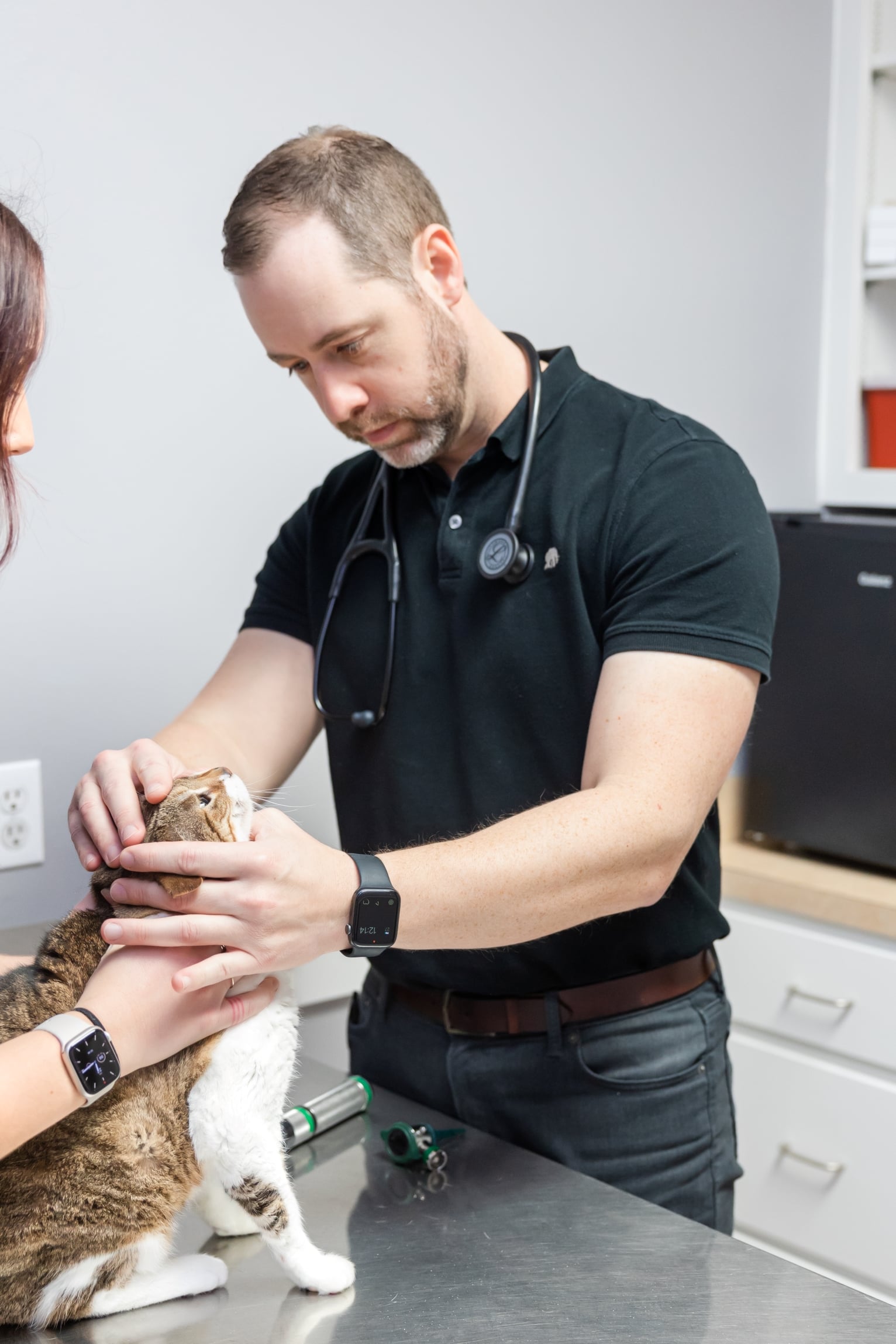
From a clinical lens, both services can support a pet’s well-being when designed thoughtfully. But the two setups appeal to different needs. If a family is traveling for a weekend, boarding might be the practical choice. If a pet thrives on activity and social interaction, daycare could be the better fit. The nuance is in the details—the staff’s experience, the facility’s layout, and how medical needs are managed in each environment.
The Prairieville difference: a hospital-rooted approach to boarding and daycare
Prairieville Animal Hospital operates with a philosophy that blends general practice with a hands-on, preventive mindset. We’ve learned through years of seeing patients in the clinic and balancing urgent calls with routine visits that a facility’s core strengths show up in the small, everyday decisions.
First, safety underpins every choice we make. We design playgroups with temperament screening, careful supervision ratios, and clear rules about how to handle resource guarding or medical needs. A pet’s history matters as much as present behavior. If a dog has a chronic condition—like osteoarthritis or controlled diabetes—the care plan is coordinated between the boarding staff and the veterinarian on call. We’ve found that a simple, structured plan reduces anxiety for both pets and owners. It also minimizes the risk of missed doses or environmental triggers that could disrupt a pet’s health.
Second, enrichment isn’t a luxury; it’s a necessity. Even during a short boarding stay, we aim to maintain physical activity, mental stimulation, and routine. For daycare, the day becomes a cycle of play, rest, hydration, and potty breaks, all aligned with the individual pet’s needs. The result is not simply less stress, but more predictability for a pet who thrives on routine. When a pet returns home, many owners notice a smoother transition and fewer telltale signs of stress, such as withholding appetite or lingering withdrawal.

Third, our team is integrated with preventive pet care at the core. It’s common for clients to assume boarding is a service separate from regular veterinary care, but at Prairieville, we see it as an extension of preventive practice. We review vaccination status, parasite protection, and the latest health observations during a stay. If a minor issue pops up, we address it quickly and transparently, with a plan that keeps you informed while your pet is in our care. Our preventive stance translates into fewer surprises when your pet returns home.
Fourth, communication is built into the day-to-day workflow, not relegated to a once-a-week update. We provide feeding notes, activity summaries, and any concerns observed during the day. For owners with pets managing chronic conditions, we facilitate easy contact channels so you can reach a clinician promptly if needed. Transparent communication isn’t merely a courtesy; it’s a practical safeguard for the pet’s health and the owner’s peace of mind.
Lastly, we’re mindful of practical realities—space, staffing, and cost. High-quality care is not about fancy bells and whistles alone. It hinges on reliable staffing, clean facilities, and predictable pricing. We aim to deliver consistent value, with clear policies on booking, cancellation, and medication administration. The goal is to make every visit, whether for boarding or daycare, straightforward and dependable for families.
A closer look at the differences that matter
Every family wants to know how to compare options side by side. While every facility has its own nuances, there are core distinctions worth noting when you evaluate boarding against daycare at Prairieville Animal Hospital or elsewhere.
- Scheduling and routine: Boarding tends to mirror a pet’s home schedule, giving a steady routine that reduces stress for animals with sensitive sleep patterns. Daycare introduces a more varied day, which can be perfect for high-energy pets but may be harder for those who prefer predictability.
- Supervision and safety: Daycare relies on constant, active supervision of group activities. Boarding relies on structured spaces and trained staff who monitor a pet’s health and behavior in a quieter setting. In both cases, the aim is to reduce conflicts and ensure each pet receives individual attention as needed.
- Medical oversight: For pets with chronic conditions, boarding and daycare both require clear medical oversight. Our approach is to coordinate with the veterinarian to ensure medications are administered correctly, that signs of illness are caught early, and that owners are promptly informed.
- Enrichment strategies: Daycare emphasizes social play and interactive activities, while boarding focuses on personal enrichment—comfortable spaces, consistent walking routines, and one-on-one time with staff. Enrichment is essential in both settings; the method differs based on the pet’s temperament.
- Cost and value: Rates reflect staffing levels, facility design, and the level of care provided. Families often find that the value lies not only in the daily rate but in the overall experience—the extent of supervision, the quality of bedding, and the ease of communication with the care team.
Choosing between boarding and daycare: practical decision points
Making the choice starts with a candid assessment of the pet’s personality and health. The following prompts help families determine which path aligns best with their pet’s needs.
- How does my pet handle new environments? If anxiety spikes in unfamiliar surroundings, a gentle boarding plan with a slow acclimation period may work better than a day full of unfamiliar dogs.
- What is my pet’s social temperament? A dog who enjoys chasing toys or meeting new dogs could thrive in daycare, while a dog who prefers quiet time might do better with a boarding arrangement that prioritizes restful spaces.
- Does my pet have any medical considerations? Pets with mobility challenges, heart conditions, or controlled diseases require a care plan that integrates medical oversight into daily routines.
- How long will I be away? Short trips might be well served by daycare if you’ll visit daily to maintain a familiar routine. Longer trips often require boarding, paired with regular check-ins and a detailed medical plan.
- What is the facility’s approach to safety and enrichment? Look for temperament testing, staff-to-pet ratios, a clean, well-designed space, and a clear policy for handling emergencies.
Two practical lists to guide your decision
If you’re weighing options, consider these concise guides. They’re crafted to help you compare without getting lost in the minutiae of marketing language.
-
Factors to evaluate when choosing care for a pet 1) Individual temperament and social needs 2) Medical and medication requirements 3) Availability of structured enrichment and rest 4) Clarity of communication and reporting 5) Consistency of staffing and quality of the environment
-
Questions to ask during a touring or intake visit 1) How are dogs and cats separated by activity and temperament? 2) What is the staff-to-pet ratio during peak hours? 3) How are medications administered and tracked? 4) What happens if a pet shows signs of illness during a stay? 5) How are feeding routines and daily schedules maintained?
From the clinic to the kennel: translating medical care into everyday care
The reality is that the separation from home is stressful for many pets. A well-managed boarding or daycare experience can minimize this stress by preserving routine, providing safe outlets for energy, and offering consistent human contact.
When a dog arrives at Prairieville for daycare, we begin with a quick temperament assessment. It’s not a lab test, but it establishes a baseline for how the dog interacts with staff and peers. The goal is to place dogs into appropriate groups and ensure a balanced day that avoids overexertion. If a dog has a history of resource guarding with food or toys, we adjust playgroup structure, provide separate enrichment, and increase supervision to prevent conflicts. The same attention isn’t necessary for every dog, but it’s essential for those with special needs.
For boarding guests, a familiar routine makes a real difference. A dog in a boarding stay benefits from a day structured around rest, feeding, short walks, and a modest amount of supervised play. Our team documents each pet’s mood, appetite, energy level, and any signs of discomfort. If a pet is on a medication schedule, we record dose times and ensure they’re administered precisely. If a pet struggles with stress, we implement comforting strategies— familiar bedding, gentle interactions, and a quiet space away from bustling activity. The results aren’t dramatic in every case, but many pets settle faster and return home with less withdrawal.
Cats and small mammals present their own set of considerations. Cats often need quiet, secure spaces where they can retreat during the day. Even for a bustling clinic, cat condos with climbing opportunities and hiding spots provide a sense of control. Small mammals require separate enclosures that minimize stress triggers and ensure proper ventilation and safe enrichment. In all cases, we emphasize enrichment that respects the animal’s preferences rather than assuming a universal solution.
Real-world scenarios that illustrate the approach
I’ve seen a range of scenarios that demonstrate how thoughtful care can translate to better outcomes for pets and their people.
- A senior dog with arthritis spends mornings in gentle, low-impact play and afternoons in a calm room with soft bedding. The routine reduces stiffness, and owners report that the dog returns home less irritable and more willing to walk the stairs again.
- A high-energy retriever thrives in daycare, where staff rotate playgroups and include scent-based games, fetch, and obstacle courses. The dog leaves each day with a wag and a measured fatigue that signals a healthy, balanced day.
- A cat with a recent dental procedure is boarded for a week with a strict medication schedule and a “quiet room” policy that keeps overstimulation to a minimum. The cat eats steadily, shows no signs of stress, and recovers without complications.
- A small dog with a history of separation anxiety benefits from a progressive acclimation plan, starting with short visits, advancing to longer stays as trust builds. The family notices a calmer pet upon return.
- A pet with dermatological allergies receives a careful diet check and environmental controls to prevent irritants in the boarding or daycare space. The result is fewer flare-ups, better skin condition, and a happier owner.
The financial and logistical side of care
Cost is always part of the conversation, but the practical realities matter more than the sticker price. The price reflects a blend of staffing, facility design, and the level of medical oversight embedded in the service. Families who invest in preventive care often find long-term value in the form of fewer emergency visits and a healthier baseline for their pet. We believe that a well-run program reduces the downstream costs associated with stress-related behaviors and unmanaged health issues.
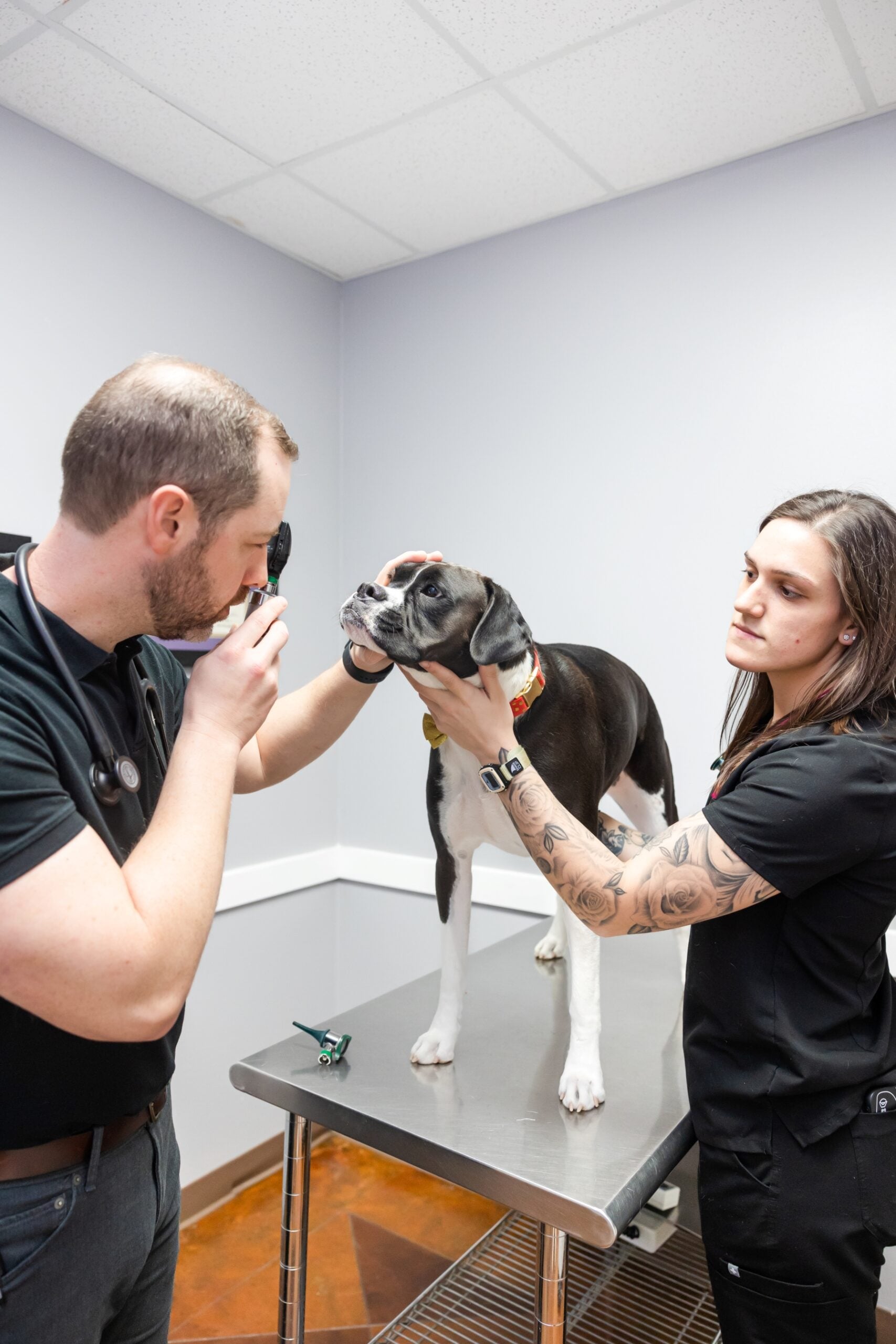
Scheduling can be a hurdle during busy travel seasons. It pays to plan ahead and discuss your pet’s needs early. We’re mindful of the constraints of both the client and the facility and work to find solutions that respect everyone’s time and obligations. While there isn’t a universal answer, there is a practical path: balance the pet’s needs with the family’s schedule, and lean on the clinic’s experience to tailor the prairievilleanimalhospital.com best-fit arrangement.
Edge cases and how we handle them
No system is perfect, and there are always exceptions. Some pets have irregular schedules that complicate routine-based care. In those cases, we build hybrid plans that blend elements of daycare and boarding, allowing a pet to enjoy supervised activities while still returning to a quiet space for rest. For pets with chronic health issues, we establish a daily care plan that coordinates with the veterinarian and keeps you informed about any day-to-day changes. The goal is to prevent escalation and keep the pet comfortable, safe, and engaged.
We also recognize that owners want to be involved. For families who cannot visit in person daily, we provide remote updates and photos. A simple check-in message can go a long way in reducing worry. The day-to-day realities of pet care are less dramatic than a dramatic rescue story, but the impact on a pet’s well-being is real and measurable.
A humane approach to care that respects both pet and owner
When you choose care for a pet that’s away from home, the stakes are personal. A well-run program does more than prevent accidents or administer medications. It provides a sense of belonging for a pet that might otherwise feel displaced, a daily routine that mirrors the life they know, and a line of communication that keeps you connected to their world.
Framing the decision around your pet’s needs and your own expectations makes the process feel less impossible. If your dog or cat has a history of stress or health challenges, lean on professional experience to design a plan that minimizes risk. If your pet thrives on interaction and activity, a day program may offer a more fulfilling experience. Either way, choosing a facility that prioritizes safety, enrichment, and transparent communication is the first step toward peace of mind.
Closing the loop: what this means for Prairieville clients
For families already connected to Prairieville Animal Hospital through veterinary care, the choice between boarding and daycare becomes a natural extension of the relationship. Our staff understands your pet’s history, preferences, and medical needs. That knowledge allows us to tailor a plan that continues the care you provide at home, while adding the comfort of professional supervision in a supportive environment. The partnership between clinic and kennel is not a marketing slogan; it’s the daily reality of how we treat your pet as a member of the family.
If you’re exploring options for a trip, a business trip, or a long weekend, consider the specifics of each service and how they align with your pet’s personality and health status. Think about how you want to receive updates, what kind of activities you’d like your pet to have, and how much you value consistent routines versus flexible enrichment. The answers you uncover will guide you toward the choice that best preserves your pet’s well-being while you’re away.
In the end, the most important metric is simple and tangible: does your pet return home happy and healthy, with a clear sense of belonging and a path back to their normal routine? If the answer is yes, you’ve found a care plan that works. If not, there is always room to adjust—to tweak ratios, adjust activities, or revisit medical oversight to reclaim that feeling of confidence you want for your family.
References to practical resources
For families actively seeking more information about care options or looking to schedule a tour or intake assessment, Prairieville Animal Hospital’s guideposts are straightforward. We offer thorough intake consultations that review vaccination status, parasite prevention, and any specific health concerns. The team is available to discuss pricing structures, policies regarding cancellations, and the process for medication administration during a stay. If you want to explore further details, our website and contact channels are the best way to start a conversation.
The path to a confident decision is rarely a straight line. It is built on understanding the pet’s unique blend of independence and affection, the family’s schedule and travel plans, and the clinic’s ability to harmonize medical care with daily care. Prairieville Animal Hospital’s perspective on boarding versus daycare is grounded in practical experience, shared with families who want to protect their pets while they are away.
And if you are nearby, a visit can be a decisive step. Seeing the spaces, meeting the staff, and observing how a typical day unfolds provides clarity that no brochure can replicate. If you ask around town, you’ll likely hear the same refrain from owners who have trusted Prairieville Animal Hospital with years of care: we appreciate how the team integrates health, safety, and everyday joy into the experience of leaving a beloved family member behind.
In the end, the choice rests with you, but the reasoning behind it is grounded in real-world care. Our approach to boarding and daycare is not about marketing but about applying veterinary insight to every interaction, every routine, and every moment of enrichment. That is the Prairieville difference—consistently practical, clearly communicated, and always focused on the well-being of your pet.